Best Football Games for Console and PC
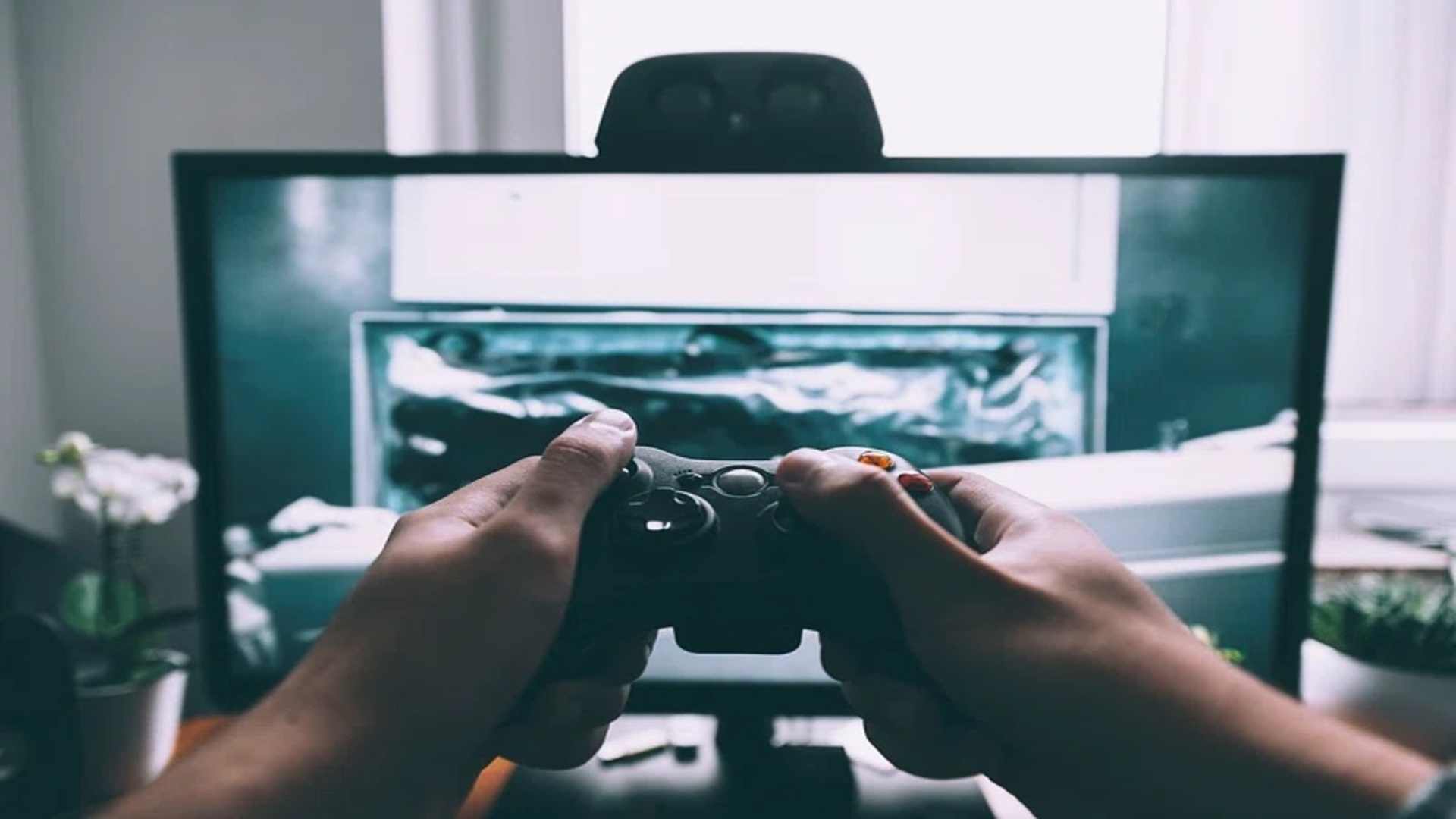
The pursuit of lifelike animation has fundamentally changed how sports simulations operate on modern gaming hardware. Developers constantly push the boundaries of computational power to capture the subtle weight adjustments, directional shifts, and speed bursts of professional athletes. These technological leaps translate the raw physical energy of a real pitch directly into interactive experiences for players around the world.
The Technology Behind Natural Kinematics
Modern sports titles utilize advanced skeletal tracking systems to record actual athletes performing complex drills on specialized motion-capture stages. This captured data allows in-game models to mimic realistic muscle exertion and deceleration patterns when changing directions at high speeds. Machine learning algorithms then process these database entries to stitch individual animations together seamlessly during unpredictable live gameplay scenarios.
As a result, virtual athletes no longer slide unnaturally across the digital turf or turn at physically impossible angles. Instead, their boots plant firmly into the ground, and their center of gravity shifts realistically based on momentum. This mechanical precision creates a authentic tactile sensation where users must anticipate player weight and deceleration before executing complex dribbling maneuvers.
How Organic Physics Redefines Tactile Gameplay
When physical interactions mirror reality, the competitive landscape of digital soccer becomes significantly deeper and more strategic. Ball physics interact dynamically with player body positioning, meaning a poorly timed strike while off-balance will result in an inaccurate pass or shot. Players must carefully consider body orientation and foot placement rather than relying on arcade-style button commands to find success.
Defensive strategies also benefit immensely from these advanced movement models because positioning matters much more than aggressive tackling. Intelligent positioning systems allow defenders to jockey attackers naturally, using their body mass to block passing lanes and shield the ball safely. Many enthusiasts discuss these nuanced mechanical shifts on educational platforms like yuksports to improve their competitive understanding of modern gaming physics.
The Impact of Biomechanics on Tactical Depth
Distinct physical attributes ensure that a massive, strong center-back moves completely differently from a nimble, low-gravity winger on the wing. Elite athletes feature custom motion profiles that accurately reflect their real-world counterparts, from their signature sprinting postures to their unique shooting follow-throughs. This individuality forces users to adapt their tactical game plans depending on the specific physical limitations and strengths of their active squad.
Fatigue also plays a crucial role in altering player biomechanics as the grueling match progresses into the stressful final minutes. Tired players will exhibit sluggish acceleration, visible heavy touches, and elongated turning circles due to simulated physical exhaustion. Managing individual stamina becomes a vital strategic component, mirroring the true intellectual challenges faced by real-world football managers.
The Horizon of Interactive Realism
The future of sports simulations points toward full volumetric capture systems that completely eliminate the need for restrictive motion-capture suits. By capturing authentic stadium match footage directly, developers can port real competitive movements straight into interactive gaming engines. This continuous loop of data ensures that virtual sports will mirror the speed and natural rhythm of the beautiful game more closely than ever before.